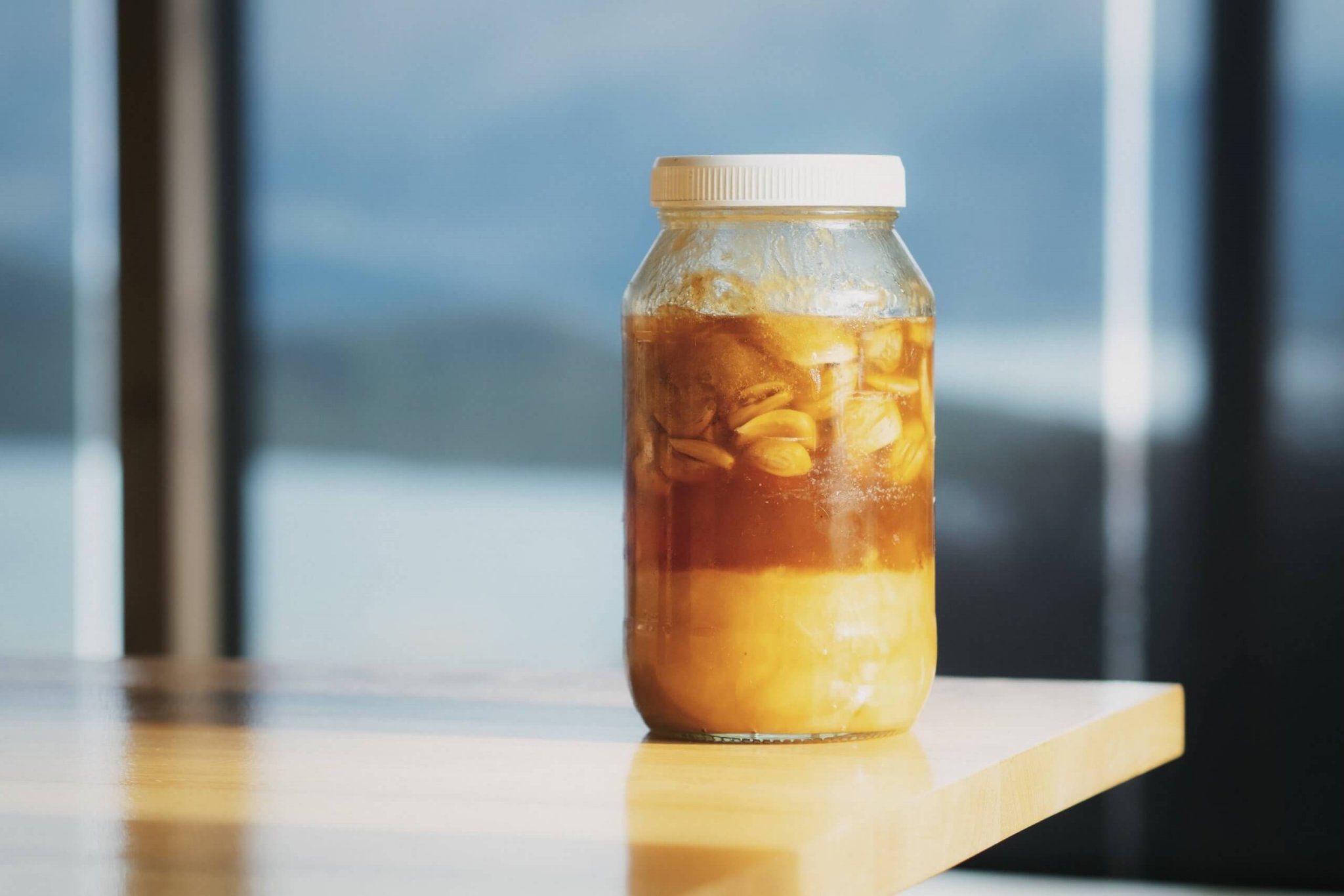
In the realm of natural health remedies, few concoctions offer the potent synergy and widespread benefits of fermented garlic honey. This ancient preparation, cherished across cultures for centuries, is a simple yet incredibly effective way to harness the formidable medicinal properties of two everyday ingredients: garlic and honey. Far more than just a culinary delight, fermented garlic honey is a true medicinal powerhouse, especially invaluable during the challenging cold and flu season. Whether you're a seasoned fermenter or a curious beginner, creating your own batch is an incredibly rewarding and straightforward project that promises a wealth of wellness advantages for your immune system, digestion, and overall vitality.
Imagine a natural tonic that not only tastes surprisingly delicious but also actively works to fortify your body against illness, soothe inflammation, and bring balance to your gut. That's precisely what you get with fermented garlic honey. It's an accessible, affordable, and incredibly versatile addition to any natural medicine cabinet, offering a gentle yet powerful approach to holistic health.
What is Fermented Garlic Honey? A Symphony of Natural Goodness
At its heart, fermented garlic honey is a beautifully simple concept: raw garlic cloves are submerged in honey and allowed to ferment over time. What sounds rudimentary is, in fact, an intricate process where the inherent properties of both ingredients, along with the magic of microbial activity, transform them into something extraordinary. This natural health remedy is commonly utilized to bolster the immune system, support cardiovascular health, aid digestion, and alleviate common cold and flu symptoms such as persistent coughs or sore throats.
Unlike many other fermented foods that require a specific starter culture or brine, fermented garlic honey is remarkably self-sufficient. The honey itself acts as the primary fermentation medium, possessing natural yeast and a high acidity that inhibits spoilage while nurturing beneficial microorganisms. The surface of raw garlic cloves naturally hosts beneficial bacteria, including various strains of lactobacillus – the same microbes responsible for the tangy goodness in yogurt and homemade sauerkraut. As these elements combine, along with acetic acid-producing bacteria present in the air, a dynamic fermentation process unfolds, creating a rich mixture of healthy microbes and enhanced medicinal compounds.
The Undeniable Benefits: Why This Combination is a Health Game-Changer
Individually, honey and garlic are lauded for their impressive health and nutritional profiles. Honey is a natural antibiotic, antioxidant, and anti-inflammatory agent, while garlic is renowned for its antiviral, antibacterial, and immune-stimulating properties. When fermented together, these benefits are not just combined, but significantly amplified, creating a synergistic effect that makes fermented garlic honey a true superfood similar to potent fire cider.
Immune System Fortification
- Allicin Activation: Garlic contains allicin, a powerful sulfur compound that is largely responsible for its immune-stimulating effects. Critically, allicin is activated when garlic is crushed or, significantly, when it undergoes fermentation. This means fermented garlic often delivers a more bioavailable and potent dose of this beneficial compound.
- Antiviral & Antibacterial Power: Both garlic and honey possess natural antimicrobial properties. Fermentation further enhances these, equipping your body with a formidable defense against pathogens that cause colds, flu, and other infections.
- Probiotic Boost: The fermentation process introduces a wealth of beneficial probiotics. These living microorganisms play a crucial role in immune health, as a significant portion of your immune system resides in your gut.
Digestive Harmony and Gut Health
One of the most celebrated aspects of fermented garlic honey is its profound impact on digestive health. It's a rich source of both prebiotics and probiotics, working together to create a thriving gut environment:
- Prebiotic Power of Garlic: Garlic contains natural prebiotics, which are non-digestible fiber compounds that feed the beneficial bacteria in your gut. This acts as fuel for the probiotics introduced by fermentation, allowing them to flourish.
- Probiotic Richness: As mentioned, the fermentation process cultivates a diverse array of probiotics. These friendly bacteria help balance the gut microbiome, improve nutrient absorption, and can soothe an upset stomach, alleviate bloating, and enhance overall gastrointestinal function.
Anti-inflammatory and Antioxidant Prowess
Chronic inflammation and oxidative stress are underlying factors in many modern health conditions. Fortunately, fermented garlic honey offers significant protection:
- Potent Antioxidants: Both garlic and honey are packed with antioxidants that combat free radicals, reducing oxidative stress on your cells. This protective action is vital for long-term health, potentially reducing the risk of chronic diseases.
- Reduced Inflammation: The active compounds in garlic and honey, particularly after fermentation, demonstrate strong anti-inflammatory effects. This can benefit everything from joint pain to cardiovascular health. Garlic, in particular, has been shown to improve blood pressure and cholesterol levels, simultaneously reducing the risk of heart disease.
Natural Relief for Cold and Flu Symptoms
When cold and flu season hits, fermented garlic honey can be your best friend:
- Soothes Sore Throats and Suppresses Coughs: Honey's thick, viscous texture naturally coats and soothes an irritated throat, providing immediate relief for soreness and hoarseness. Its natural sweetness also acts as an effective cough suppressant, often outperforming over-the-counter remedies.
- Decongestant and Expectorant: Garlic’s pungent compounds can help thin mucus and act as a natural decongestant, easing respiratory discomfort.
Crafting Your Own Liquid Gold: A Simple DIY Guide
Making fermented garlic honey is remarkably straightforward, making it an ideal project for beginners and experienced fermenters alike. You don't need fancy equipment, just a few basic ingredients and a little patience.
What You'll Need:
- Garlic: Approximately 4-5 large bulbs (heads) of garlic for a pint-sized jar. Opt for fresh, firm garlic with no signs of mold or sprouting.
- Honey: About 1.25 to 1.5 cups (300-350 mLs) of high-quality, raw, unpasteurized honey. Raw honey contains the natural yeasts and beneficial enzymes essential for fermentation. Local honey is often a fantastic choice.
- Jar: A clean, sterilized glass jar (pint-sized or larger) with a lid.
Step-by-Step Instructions:
- Peel the Garlic: Start by peeling all your raw garlic cloves. This can be the most time-consuming step. A quick tip: lightly smash each clove with the flat side of a knife to loosen the peel, or place all cloves in two bowls, put one on top of the other to create a sealed sphere, and shake vigorously for 30-60 seconds to separate the peels.
- Fill Your Jar: Add the peeled garlic cloves to your clean glass jar. Aim to fill the jar at least one-half to two-thirds full with garlic. This ratio ensures a good balance between garlic and honey, promoting active fermentation.
- Pour in the Honey: Slowly pour the honey over the garlic cloves. It will take a few minutes for the honey to seep down and settle between all the cloves. As the honey settles, the garlic cloves will likely begin to float. Continue to top off the jar with more honey until all the garlic is completely submerged.
- Warm Honey Tip: If your honey is thick and difficult to pour, gently warm it by placing the jar of honey (unopened) in a bowl of hot water for 10-15 minutes. Avoid direct heat or microwaving, as excessive heat can destroy the beneficial enzymes and medicinal compounds in raw honey.
- Seal and Monitor: Loosely place the lid on the jar. It’s crucial that the lid is not airtight, as fermentation produces gases that need to escape. A tightly sealed jar could build up pressure and potentially burst. Alternatively, you can use a fermentation airlock lid for peace of mind.
- Initial Fermentation: Store your jar in a cool, dark place. For the first few days, you'll want to "burp" the jar daily by opening the lid to release any built-up gas. Gently flip or rotate the jar once a day to ensure all garlic cloves remain coated in honey, preventing mold growth and encouraging even fermentation. You’ll start to see bubbles forming, which is a sign of active fermentation!
- Long-Term Fermentation: After about a week, the vigorous bubbling may subside, and you can reduce the burping frequency. Allow the mixture to ferment for at least 2-4 weeks, though many prefer to let it go for several months to deepen the flavors and benefits. The garlic cloves will soften, and the honey will become thinner and more liquid. It's completely normal for the garlic to turn a bluish-green color; this is a harmless reaction between sulfur compounds in garlic and natural acids.
Enjoying Your Fermented Garlic Honey: Versatile Uses
Once your fermented garlic honey is ready, the possibilities are endless:
- Straight Spoonful: For an immune boost or to soothe a sore throat, simply take a spoonful of the honey, and you can even eat a fermented garlic clove or two!
- In Hot Beverages: Stir a teaspoon into warm water or herbal tea (ensure the water isn't boiling hot to preserve beneficial enzymes).
- Culinary Delight: Drizzle over roasted vegetables, use it as a glaze for meats or poultry, whisk it into salad dressings, or spread it on toast for a flavorful twist.
- Sore Throat Gargle: Mix a spoonful with a little warm water for an effective, soothing gargle.
- Daily Tonic: Incorporate a small amount into your daily routine as a proactive measure for maintaining overall health and vitality.
Safety First: Addressing Botulism Concerns
It's natural to have questions about the safety of fermenting garlic, especially regarding botulism. While garlic in oil is indeed a high-risk environment for Clostridium botulinum due to its anaerobic, low-acid nature, fermented garlic honey is generally considered much safer, provided proper techniques are followed.
- Honey's Role: Honey naturally has a low water activity (meaning little free water for bacteria to thrive) and a relatively acidic pH, which inhibits the growth of C. botulinum.
- Fermentation Creates Safety: The fermentation process itself introduces beneficial microbes that acidify the environment further and actively outcompete harmful pathogens like C. botulinum. As the lactic acid bacteria multiply, they create an even more acidic environment, making it unfavorable for botulism spores.
- Ventilation is Key: Ensuring the lid is loose or using an airlock allows fermentation gases to escape, maintaining an aerobic environment near the surface, which is also inhibitory to C. botulinum (an anaerobic bacterium).
- Visual and Olfactory Cues: Always trust your senses. If your fermented garlic honey develops an off-smell, unusual discoloration beyond the natural blue-green, or any signs of mold (which is rare in honey ferments), discard it. However, a slight alcoholic smell is normal due to yeast activity.
For extra caution, some recommend storing actively fermented garlic honey in the refrigerator after the initial fermentation period to slow down further microbial activity, though many traditional practitioners keep it shelf-stable for extended periods.
Embrace the Fermentation Journey
Fermented garlic honey stands as a testament to nature's incredible ability to provide us with powerful remedies. It's a simple, cost-effective, and deeply rewarding way to take control of your health, boosting your immunity, harmonizing your digestion, and equipping your body with a potent defense against common ailments. By embracing this ancient practice, you're not just making a natural medicine; you're connecting with a timeless tradition of wellness. So, gather your garlic and honey, and embark on this delicious and beneficial fermentation journey!
